Paradigm Shift in the management of low backpain
Lower back pain is a prominent cause of disability worldwide. Regarding the treatment of low back pain symptoms, a significant increase in medications, spinal injections, and recent spinal cord transplantation is seen. It is believed that the long-term benefits of these medical interventions are limited and may also cause significant health risks.
General Guidelines for Managing Lower Back Pain
1. Modify Your Activities
Stay active within your pain limits and avoid activities that make the problem worse. The instructions for activities include:
- Avoid prolonged, excessive, and forceful twisting or bending of your back.
- Do not lift heavy objects. Learn how to properly lift light objects by using your knees as leverage, not your back.
- If necessary, ask a physiotherapist or ergonomic expert to teach you the body mechanics suitable for daily activities.
- Avoid sitting for long periods. When sitting, choose a seat with good spinal support. You might be able to use a standing desk at intervals to avoid "prolonged sitting".
- Avoid prolonged standing too. If you must stand, place a low stool in front of you and alternately put each foot on it for a while. It will relieve part of your back.
- Poor posture and slouching can put more strain on your low back. Stand up and sit upright.
2. Cope With Stress
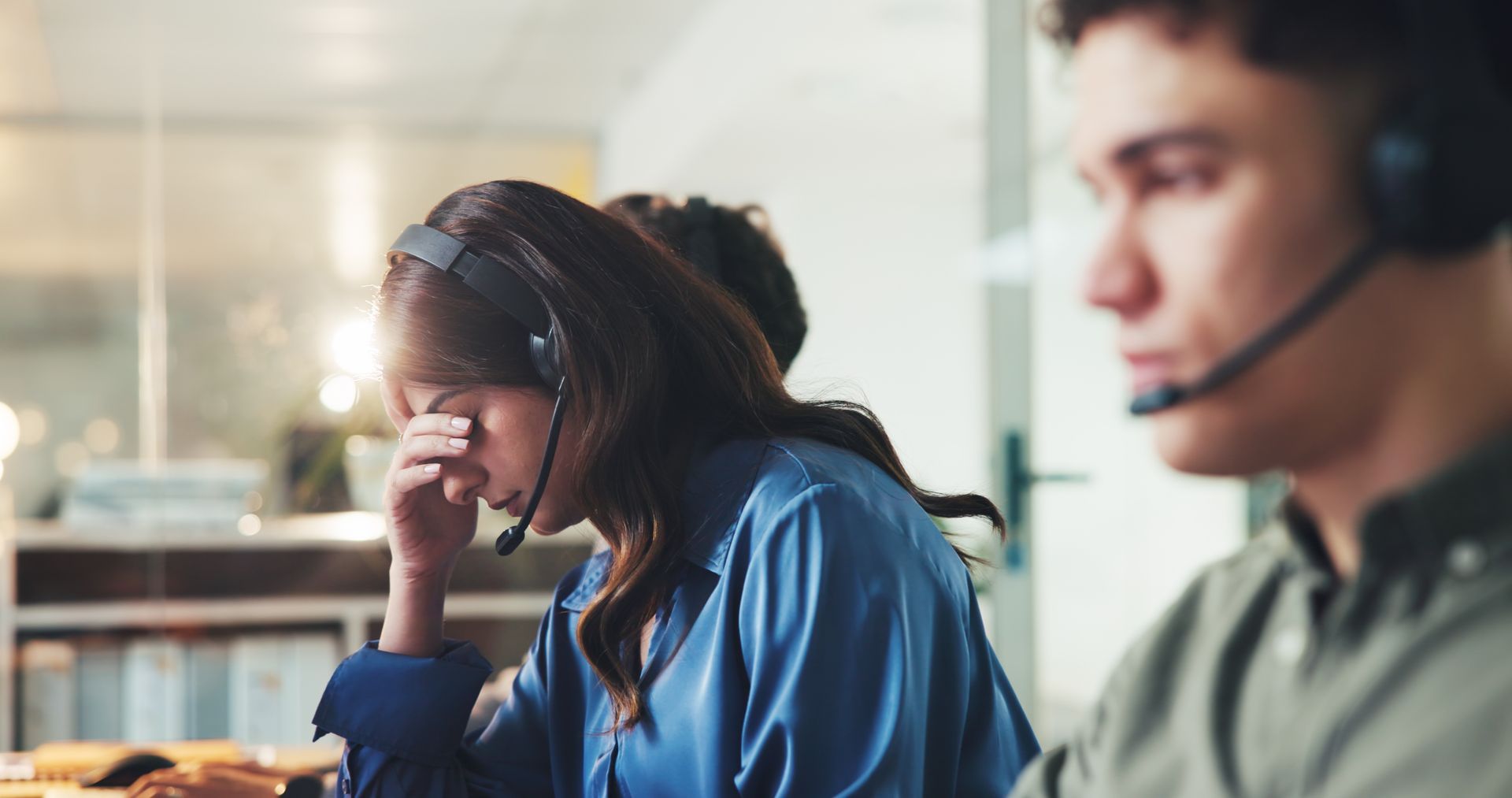
Stress increases muscle strain and anxiety. Take the necessary time to relax, exercise, and practice relaxation techniques. If you need support or help to reduce stress, here are some remedies you can try:
- Counselling
- Relaxation techniques
- Stress Management Course
- Cognitive behavior therapy
- Breathing exercises
- Meditation
- Yoga
3. Alter Your Surroundings
Specific changes to your work area, clothing and home can alleviate back pressure:
- If you sit for a long time, use a stool to raise your knees over your hips.
- When sitting, do not put wallets and other items in your back pocket.
- Use a back support pillow when driving or sitting.
- Find a mattress that suits your body and sleeping style. Every person has different muscular issues, so it takes time to get that suitable one.
So there must be a paradigm shift in the management of low back pain. A person's pain level, stress, and coping strategies affect the status of their disability.
Approach for Managing Low Back Pain
- Help the patients understanding their pain, why they have it, what caused it, and how to relieve it.
- Controlled rehabilitation to avoid the fear of recurrence and return of symptoms.
- Support and guide lifestyle changes to promote pain resolution.
A Shift In Lower Back Pain Management Is Needed!
- Improvement in clinical skills for pain management.
- Exploration of the patient's psychosocial environment.
- An assessment of the multifactorial nature of patients' suffering.
- Understanding the patient's behaviour regarding pain responses.
- Educating the patient about their pain management.
- Use of physiotherapy for validation and calmness in addition to pain-specific treatment.
- Collaboration with the patient on healthy living behaviors, thus empowering the patient.
The ultimate "best practice" is a multi-dimensional, patient-centered approach to manage lower back pain.
The Takeaway
Learning techniques and modifying activities to reduce back strain is critical to resolving or managing low back pain. Since back pain keeps popping up, lifestyle changes must become a way of living if you want to avoid recurring attacks.
If you don’t have an amazing chiropractor
Contact us today!
Family Chiropractic Plus is dedicated to your overall health and well-being, which is why we offer regular
chiropractic adjustments in order to restore your body’s natural state of
optimal health, while also providing it with the support it needs to heal from any injury, big or small.