9 Common Types of Headaches and When to Consult a Doctor
A headache is a common condition that causes pain, discomfort, and stiffness in the head, scalp, or neck. About 7 out of 10 people report having a headache every year.
Headaches are usually mild at first but can become severe in some cases, making it difficult to focus at work and perform other daily activities.
Approximately
45 million Americans suffer from severe headaches which can be debilitating. Fortunately, most headaches can be managed with medication and lifestyle changes.
What Types of Headaches Are There?
Approximately 150 kinds of headaches exist. They can be classified into two categories: primary and secondary headaches.
Primary Headaches
As the name implies, a primary headache is not caused by any other condition. An example is a migraine or tension headache.
1. MIGRAINE
A migraine sufferer will typically feel an intense throbbing pain on one side of the head.
In about a third of migraine sufferers, an aura precedes the onset of pain. These are sensory and visual disturbances that last between 5 and 60 minutes. These include:
- Seeing flickering lights, zigzag lines, or spots
- A partial vision loss
- Numbness or tingling
- Weakness of the muscles
- Having difficulty speaking
Migraine attacks tend to be recurrent and typically last up to three days. For many, this is a lifelong condition.
2. TENSION HEADACHE
Tension headaches are very common, and most people will experience them from time to time. Dull, constant pain can be felt on each side of the head.
Other possible symptoms include:
- Tenderness in the head, face, neck, and shoulders
- Pressure behind your eyes
- Light and sound sensitivity
3. CLUSTER HEADACHE
Cluster headaches are severe and recurrent headaches that are six times more common among men than women. People report experiencing pain behind or around one eye that feels like burning or piercing.
Other possible symptoms include:
- Watery eyes
- Eyelid swelling
- A runny or blocked nose
- Sensitivity to sound and light
- Anxiety or restlessness
Cluster headaches often occur suddenly, without warning, and last between 15 minutes and 3 hours. A person can experience up to eight attacks a day.
4. EXERTION HEADACHE
Exertional headache is caused by strenuous physical activity and is triggered by:
- Jumping
- Running
- Lifting weights
- Sexual intercourse
- Coughing or sneezing frequently
Most of these headaches are short-lived, but some can last for two days.
Secondary Headaches
Secondary headaches are caused by something else, such as a caffeine withdrawal or head injury.
5. REBOUND HEADACHE
The symptoms of rebound headache, also known as medication overuse headache, can range from a dull, tension-type headache to more intense pain, like a migraine.
You are more likely to develop this headache if you frequently take OTC pain relievers. Overuse of these medications causes more headaches than fewer headaches.
6. ALLERGY OR SINUS HEADACHE
In some cases, a sinus headache is caused by an allergic reaction. Pain from these headaches can often be felt in your sinus area and the front of your head.
Migraine headaches are often misdiagnosed as sinus headaches. Up to 90 percent of headaches related to sinuses are actually migraines. Chronic sinusitis and seasonal allergies can cause these kinds of headaches.
7. CAFFEINE-RELATED HEADACHE
The consumption of more than 400 milligrams of caffeine - approximately four cups of coffee can sometimes lead to headache.
Withdrawal may result in migraine-like headache in people who drink more than 200 mg of caffeine a day for over 2 weeks. They usually appear within 24 hours of abruptly stopping.
Among the other possible symptoms are:
- Fatigue
- Anxiety, nausea
- Having trouble concentrating
- Irritability or poor mood
8. POST-TRAUMATIC HEADACHE
Any type of head injury can cause post-traumatic headache. It can feel like a migraine or tension headache and usually lasts for 6 to 12 months after the injury. They may become chronic.
To get relief from these headaches, doctors often prescribe triptans, sumatriptan (Imitrex), beta-blockers, and amitriptyline.
9. HORMONAL HEADACHE
Hormonal fluctuations are a common cause of headaches in women. Menstruation, birth control pills, and pregnancy all affect estrogen levels, causing headaches.
Women experiencing headaches specifically during their menstrual cycle are known as menstrual migraines. These can occur before, during, or right after menstruation, as well as during ovulation.
When to Consult a Doctor:
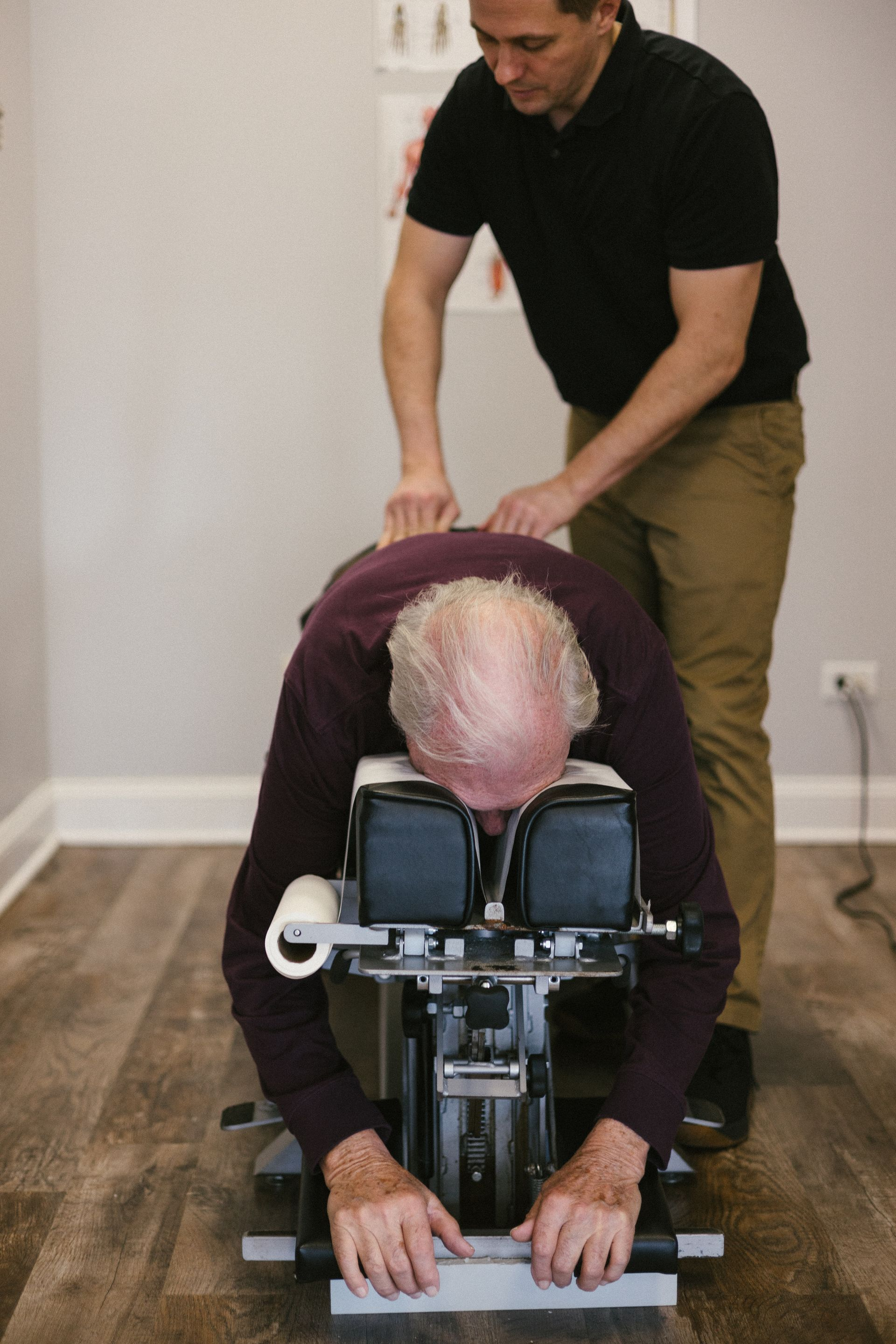
A person experiencing severe, persistent, recurrent, or worsening headaches should consult a doctor (chiropractor, primary care physician, neurologist, etc.) who can diagnose you or at least help you find the best treatment for whatever symptoms you're experiencing.
If you don’t have an amazing chiropractor
Contact us today!
Family Chiropractic Plus is dedicated to your overall health and well-being, which is why we offer regular
chiropractic adjustments in order to restore your body’s natural state of
optimal health, while also providing it with the support it needs to heal from any injury, big or small.