The Red Flags of Neck Pain
Experiencing pain in your neck, mid-back, or lower back is often scarier than other forms of pain.
Neck pain is usually not caused by severe conditions. But sometimes, neck pain can be a warning sign of severe health issues such as infections, cancer, autoimmune diseases, a structural problem (spinal cord injury) or a threat to blood vessels.
That's why it's so important to know the red flags of neck pain.
The Red Flags of Neck Pain
Following are three red flags of neck pain:
- It is severe and does not improve or get worse.
- It has been bothering you for more than six weeks.
- There is at least another "red flag" present.
If your neck pain was triggered by a sudden blow, collision injury, or blunt force trauma, you should be examined immediately!
Some More Specific Red Flags for Neck Pain:
The more red flags you have, the sooner you should be examined by a doctor or chiropractor.
- Sudden weight loss without dieting.
- Unexplained fever and chills.
- The pounding on the spine is painful.
- A chronic headache that abruptly appears.
- Severe headaches, the inability to bend your head, fever, and an altered state of mind are all meningitis symptoms.
- Nausea, dizziness, and vomiting may indicate a problem with the upper cervical spine's stability.
- Steroid use, HIV, and some other drug abuse are risk factors for a severe cause of neck pain.
- There are many potential signs of spinal cord problems in the neck, with or without having neck pain - mostly affecting the limbs. This is surprisingly vague and could have other causes: weakness, poor hand coordination, numbness, atrophy, and sharp pain in the limbs.
- A family history of the autoimmune disease results in a gradual but progressive increase in symptoms before 40. It also leads to evident morning stiffness, lower back and joint pain, or difficult digestion.
Possible Causes of Red Flags
Here are some potent reasons for Red Flags of the neck pain:
- Stroke
- Vertebral disc prolapse
- Cervical spondylosis
- Rheumatoid arthritis
- Seronegative arthropathies
- Malignancy
- Cervical rib
- Carotid dissection
- Vertebral fracture
- Infection (meningitis or TB)
Factors Contributing To The Pain
Some psychosocial and other factors can lead to the patients' persistent pain and imparity or contribute to the transition from an acute state to a chronic, disabling condition. Here are some attitudes and beliefs to look at:
- Passive attitude to therapy.
- Pain is destructive or disabling.
- The pain must be relieved before any further activity.
- Patients' prolonged rest periods.
- Reduced activity level or abandon daily activities.
- Patients report extreme pain intensity.
- High consumption of alcohol or other substances.
The Takeaway
The neck, lower back, shoulders, and knees are prone to unexplained pain. In most cases, the pain goes away on its own!
Pain is strange, unpredictable, and is often the result of an overprotective and paranoid behavior of the brain. Worrying about the pain can be the worst thing you can do - not just a negative coping mechanism but also a genuine risk factor.
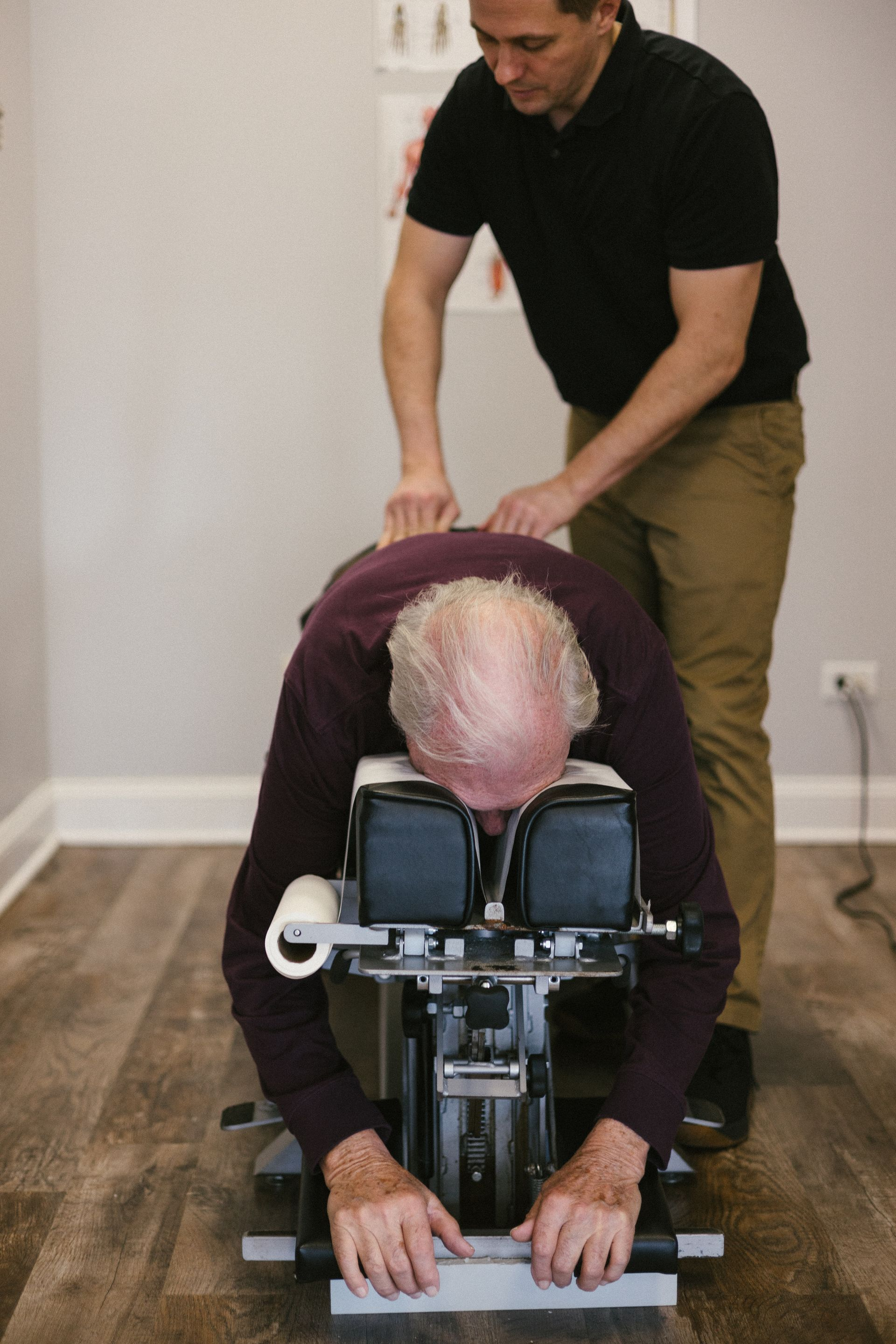
However, if your neck pain is not reducing and is causing more issues, you should see a local chiropractor for a proper examination.
If you don’t have an amazing chiropractor
Contact us today!
Family Chiropractic Plus is dedicated to your overall health and well-being, which is why we offer regular
chiropractic adjustments in order to restore your body’s natural state of
optimal health, while also providing it with the support it needs to heal from any injury, big or small.